
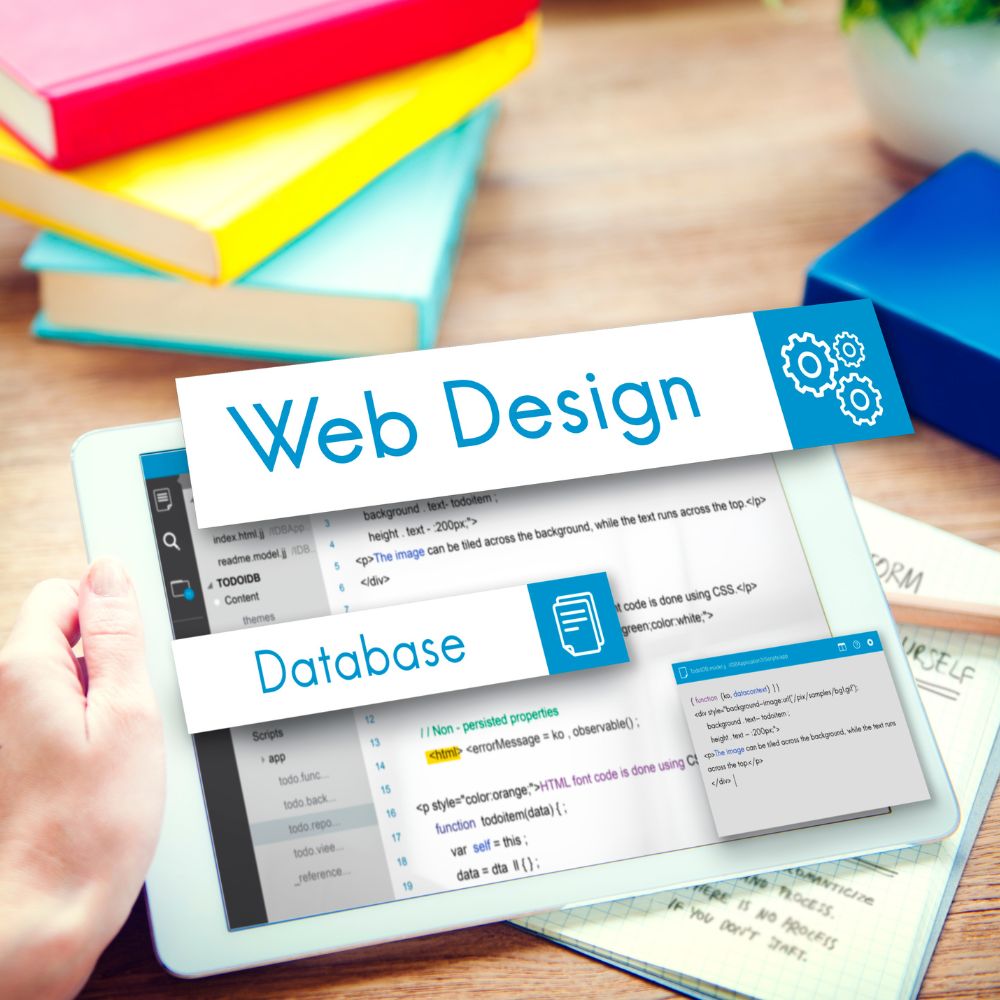
In the digital era, a website is more than just an online presence—it is the face of your brand, a tool for engagement, and a driver of business growth. As technology evolves, so do user expectations. Keeping up with the latest website design trends is crucial to ensure your website not only attracts visitors but also converts them into loyal customers. In this article, we explore the most impactful website design trends that are set to transform your online presence in 2026 and beyond.
The Importance of Staying Current in Website Design
Website design is no longer just about aesthetics. It’s about user experience, accessibility, speed, and adaptability across devices. Websites that fail to adapt to modern design trends risk losing credibility, search engine rankings, and ultimately, customers. Staying ahead in design trends helps:
- Enhance user experience (UX)
- Improve website speed and performance
- Increase engagement and conversions
- Maintain a competitive edge in your industry
Trend 1: Minimalist and Clean Design
Minimalism continues to dominate website design. The principle is simple: “less is more.” By reducing clutter and focusing on essential elements, websites can communicate their message more effectively.
Key Features of Minimalist Design
- Whitespace utilization: Strategic empty space enhances readability and draws attention to key elements.
- Limited color palettes: Using 2–3 main colors creates a cohesive and professional look.
- Simple typography: Clean, sans-serif fonts improve readability and add modern appeal.
- Focused content: Every piece of text, image, or button serves a purpose.
Why It Works: Minimalist websites load faster, reduce cognitive load, and make navigation intuitive. Visitors can easily find what they need without distractions, which improves engagement and conversions.
Trend 2: Dark Mode Design
Dark mode isn’t just a trend—it’s a response to user preference for eye-friendly interfaces. More websites are offering dark theme options to enhance visual comfort and style.
Benefits of Dark Mode
- Reduced eye strain in low-light environments
- Improved battery life on OLED and AMOLED screens
- Modern aesthetic appeal for tech-savvy audiences
- Highlighting content and images with contrasting colors
Implementation Tip: Offer a toggle between light and dark modes and ensure that all elements remain readable and accessible.
Trend 3: Micro-Interactions and Animations
Micro-interactions are subtle animations that engage users, provide feedback, and improve the usability of a website. These small design elements create a more interactive and enjoyable browsing experience.
Examples of Micro-Interactions
- Hover effects on buttons and images
- Animated loading indicators
- Scroll-triggered animations
- Form field validation feedback
Why They Matter: Micro-interactions make your website feel alive and responsive. They guide users’ actions, improving the overall experience and encouraging deeper engagement.
Trend 4: Immersive 3D and VR Experiences
With advancements in WebGL and browser capabilities, 3D elements and virtual reality experiences are becoming more accessible to web designers. These features allow users to interact with products and environments in innovative ways.
Applications of 3D and VR Design
- E-commerce: 3D product models let users view items from all angles.
- Architecture & Real Estate: Virtual tours of properties enhance decision-making.
- Gaming & Entertainment: Interactive content boosts user engagement and brand recall.
Implementation Tip: Use 3D elements sparingly to maintain website speed and ensure compatibility across devices.
Trend 5: Voice User Interface (VUI) Integration
Voice search and commands are on the rise, thanks to the proliferation of smart speakers and mobile voice assistants. Websites that incorporate voice-enabled navigation and search can significantly enhance accessibility and usability.
Benefits of VUI
- Hands-free navigation for users
- Accessibility for people with disabilities
- Faster search results and improved user experience
SEO Advantage: Optimizing content for voice search requires natural language phrasing, which aligns with user intent and improves organic search rankings.
Trend 6: AI-Powered Personalization
Artificial Intelligence (AI) is transforming website design by enabling hyper-personalized user experiences. AI algorithms can analyze user behavior, preferences, and history to provide customized content and product recommendations.
How AI Personalization Works
- Dynamic content display: Personalized banners, articles, and offers
- Smart recommendations: Suggest products based on browsing history
- Chatbots & virtual assistants: AI-driven support to answer questions instantly
Why It Works: Personalized experiences increase engagement, reduce bounce rates, and drive conversions, leading to higher ROI for businesses.
Trend 7: Responsive and Mobile-First Design
Mobile traffic now dominates global web usage, making mobile-first design non-negotiable. Websites must be fully responsive, adapting seamlessly to all screen sizes.
Key Principles of Mobile-First Design
- Simplified navigation: Easy-to-tap buttons and concise menus
- Fast loading speeds: Optimize images, scripts, and code
- Readable typography: Legible fonts even on small screens
- Touch-friendly interactions: Avoid hover-dependent elements
SEO Impact: Google’s mobile-first indexing prioritizes mobile-friendly websites in search rankings, making responsiveness critical for organic traffic.
Trend 8: Sustainable and Eco-Friendly Web Design
Sustainability is gaining importance across industries, including web design. Green web design focuses on reducing energy consumption and promoting environmental responsibility.
Eco-Friendly Web Design Practices
- Optimized images and videos to reduce file sizes
- Efficient code and hosting to lower server energy use
- Dark mode and minimalist layouts to reduce screen power usage
- Highlighting sustainability initiatives as part of brand messaging
User Perception: Eco-conscious users are more likely to trust and engage with brands that demonstrate environmental responsibility.
Trend 9: Bold Typography and Variable Fonts
Typography is evolving from simple text to a core visual element. Bold, creative fonts can capture attention, convey personality, and reinforce brand identity.
Key Typography Trends
- Oversized headlines: Draw attention to key messages
- Variable fonts: Adapt weight, width, and style dynamically
- Custom fonts: Reflect unique brand identity
Best Practice: Combine bold typography with whitespace and minimalist design to maintain readability and visual balance.
Trend 10: Asymmetrical and Broken Grid Layouts
Breaking away from traditional grid layouts allows designers to create dynamic, visually engaging websites. Asymmetrical designs and overlapping elements make websites stand out in a crowded digital landscape.
Advantages of Asymmetrical Layouts
- Unique, memorable visual identity
- Enhanced storytelling through creative positioning
- Flexible for multimedia content like images and videos
Implementation Tip: Balance creativity with usability to ensure visitors can still navigate and digest content effectively.
Trend 11: Video-First Content
Videos are dominating web content, thanks to their ability to convey messages quickly and effectively. Video-first design incorporates dynamic visuals on landing pages, background videos, and product demonstrations.
Benefits of Video-First Design
- Increases user engagement and time spent on site
- Boosts conversions with demonstration of products or services
- Enhances SEO with video-rich content
Optimization Tip: Ensure videos are compressed for fast loading and provide captions for accessibility and SEO benefits.
Trend 12: Interactive Storytelling
Interactive storytelling combines multimedia elements with user-driven experiences. This approach allows visitors to explore content in an engaging, non-linear fashion.
Examples of Interactive Storytelling
- Scroll-triggered animations to reveal information
- Clickable infographics and data visualizations
- Gamified experiences to guide user journey
Impact: Interactive storytelling fosters deeper engagement and brand recall, making websites more memorable and persuasive.
Trend 13: Advanced Microcopy and UX Writing
Microcopy—the small text on buttons, forms, and tooltips—plays a significant role in guiding users and improving conversion rates. UX writing is evolving to create clear, concise, and empathetic messages.
Best Practices
- Use action-oriented verbs: “Subscribe Now,” “Get Started”
- Provide guidance and reassurance: “Password must be 8 characters”
- Maintain brand voice consistently across all touchpoints
Why It Matters: Effective microcopy reduces friction, builds trust, and enhances the overall user experience.
Trend 14: Accessibility-First Design
Accessibility is no longer optional; it’s a legal and ethical requirement. Inclusive design ensures websites are usable by everyone, including people with disabilities.
Key Accessibility Practices
- Proper use of alt text for images
- Keyboard navigability and screen reader support
- Sufficient color contrast
- Clear headings and semantic HTML
SEO Benefit: Accessible websites often perform better in search rankings due to structured, semantic content.
Trend 15: AI-Generated Design Elements
AI-powered tools are now capable of generating custom design elements, layouts, and even full website templates. Designers can leverage AI to save time while maintaining creativity and originality.
Applications of AI in Web Design
- Automatic color palette generation
- Layout suggestions based on content type
- Image creation and optimization
- Personalized user interfaces
Advantage: AI reduces manual effort, speeds up production, and allows designers to focus on strategy and creativity.
Implementing These Trends in Your Website
Adopting these design trends requires a strategic approach:
- Audit your current website: Identify areas for improvement and elements that need modernization.
- Prioritize user experience: Focus on trends that directly enhance usability and engagement.
- Leverage technology: Use AI, VR, and responsive frameworks to implement advanced features efficiently.
- Test and optimize: Continuously monitor website performance, user behavior, and conversion rates.
- Stay updated: Website design trends evolve quickly, so remain proactive in adopting new techniques.
Conclusion
Website design in 2026 is about creating engaging, personalized, and visually compelling experiences that cater to user needs. From minimalist designs and dark mode to AI-driven personalization and immersive 3D experiences, these trends can elevate your online presence and differentiate your brand in a competitive digital landscape.
By strategically implementing these trends, businesses can boost engagement, improve SEO, increase conversions, and create memorable user experiences. Staying ahead of the curve in website design isn’t just about aesthetics—it’s about building a website that works seamlessly for your audience while reflecting your brand’s identity.